
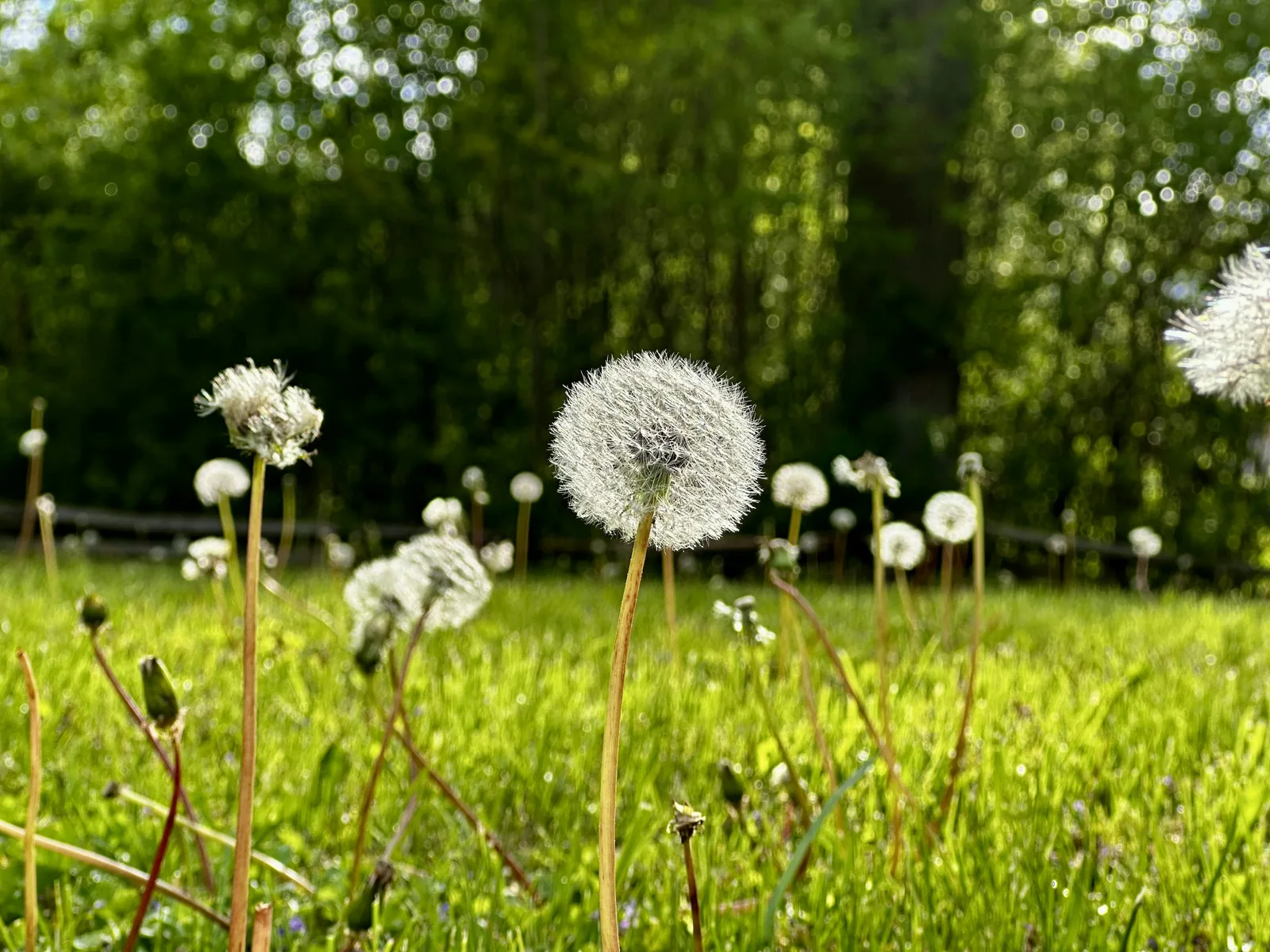
Pre-emergent, clover, dandelions, crabgrass: learn the right timing and methods to control weeds effectively and ecologically.
Table of Contents5 sections
Table of Contents
Timing: The Key to Weed Control
Weed control is all about timing, not the calendar. Understanding the life cycle of each invasive species will allow you to act at the right moment and avoid unnecessary treatments.
When to Apply Pre-Emergent Against Crabgrass
Crabgrass begins to germinate when the soil temperature at a depth of 1 to 2 inches reaches 55°F (12°C) for 3 to 5 consecutive days [1]. Pre-emergent herbicide (such as Prodiamine or Dithiopyr) should be applied just before this threshold is reached, typically when the soil is around 50°F (10°C).
In Quebec, where chemical products are restricted, corn gluten meal (a natural pre-emergent) should be applied using the same temperature criteria, ideally before a light rain to activate it [2].
LawnFan Tip: The app monitors soil temperature in real-time and alerts you when the application window is approaching.
Getting Rid of Clover and Dandelions Without Chemicals
Yes, it's possible, but it requires consistency. The most effective long-term method is natural competition:
- A dense lawn, mowed high (3 to 3.5 inches) and well-fertilized will smother weeds
- Manual pulling with a proper tool (like a "Weed Hound") is very effective for dandelions
- Corn gluten meal, applied in spring, helps prevent new seeds — but won't kill already established weeds
Help shape what comes next for LawnFan
The app is not available yet. Join the interest list for the beta planned for winter 2026–2027, or choose the newsletter for lawn tips and new articles.
Which signup should I choose?
Beta interest list: For expressing interest in testing the upcoming app. The button opens the form on the home page; invitations and timing will be confirmed later. Access is not guaranteed, and this signup does not subscribe you to the newsletter.
Newsletter: For seasonal tips, articles and project updates by email. The button takes you to the form at the end of this article’s content. You explicitly choose to receive these emails; this does not request beta access.
What to Do If Your Lawn Turned Yellow After Herbicide
This is likely a chemical burn, often caused by:
- Application during temperatures that are too high (above 85°F / 29°C)
- Product overdose
Steps to take:
- Water the area abundantly and deeply to dilute the product in the soil
- Do not fertilize this area until it has recovered — it would add additional stress
- Be patient: the lawn may take 2 to 4 weeks to recover
The 3 Golden Rules of Weed Control
- Prevent rather than cure: a dense, healthy lawn is the best defense
- Respect the timing: apply at the right moment based on soil temperature, not the calendar
- Identify before treating: each weed has its optimal control method
---
*Sources: [1] Michigan State University Extension — Timing crabgrass preemergence applications. [2] FG Edwards — Corn gluten meal for lawns: the complete guide in Quebec.*