
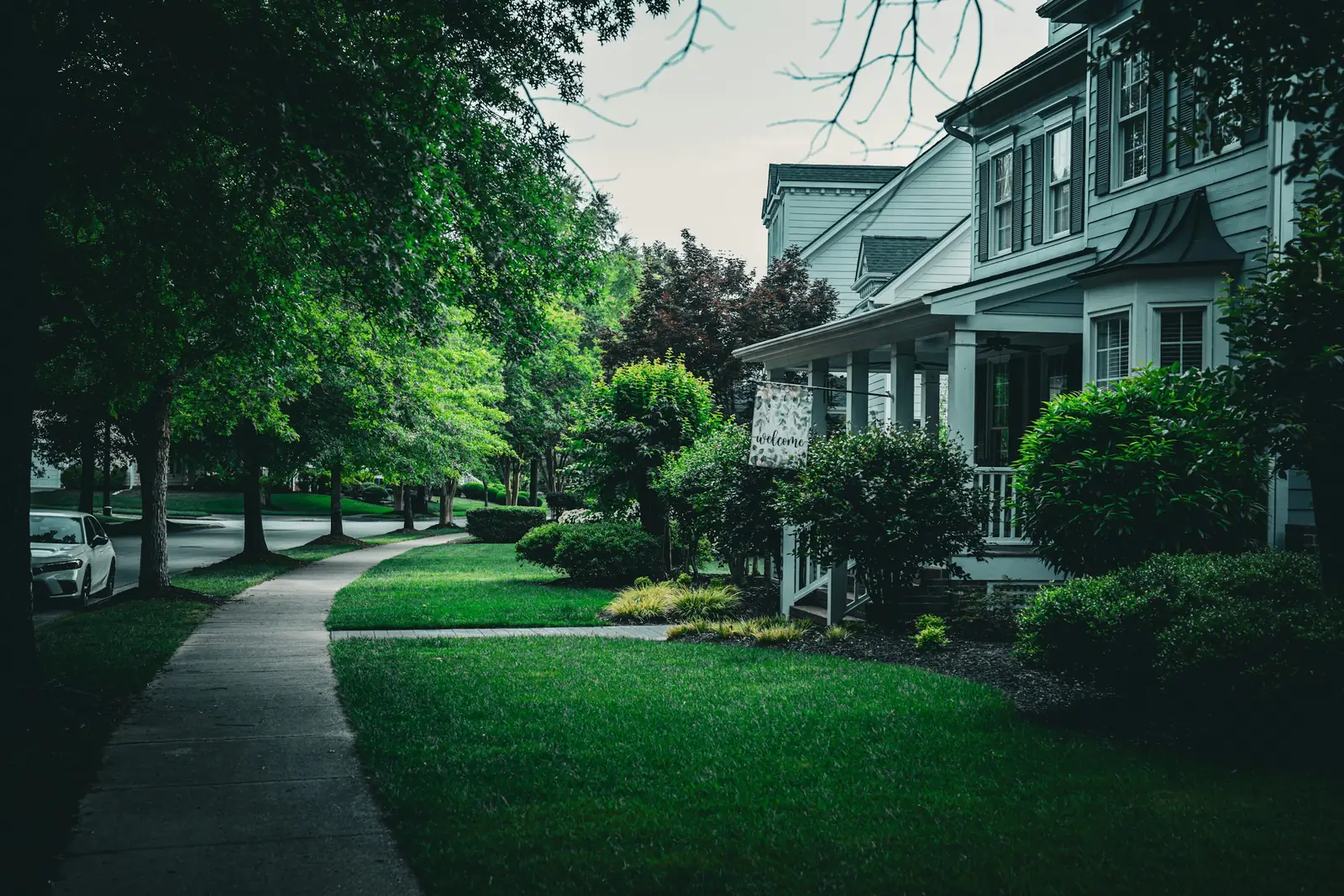
Just bought your first home and feeling intimidated by your lawn? Don't panic! Here is the simplified guide for new homeowners.
Table of Contents7 sections
Table of Contents
Welcome to the World of Lawn Care!
Becoming a homeowner with a yard is exciting, but lawn maintenance can seem daunting at first. The good news? It's not as complicated as it looks. With some basic knowledge and a little consistency, you can have a lawn you'll be proud of.
Step 1: Know Your Lawn
First of all, identify what you have:
Grass Type
In Quebec and the northeastern part of North America, the most common grasses are:
- Kentucky Bluegrass: the most popular, dark green, fine texture
- Tall Fescue: drought-resistant, coarser texture
- Perennial Ryegrass: fast germination, often in a mix
Yard Conditions
- How many hours of sun per day?
- Is the soil clay (heavy) or sandy (light)?
- Are there areas that stay wet after it rains?
Step 2: Basic Equipment
You don't need to buy everything at once. Here are the essentials:
Must-Haves
- Lawn mower: electric or gas, depending on the size of your yard
- Leaf rake: for seasonal cleanup
- Sprinkler: oscillating or rotary to start
- Spreader: for fertilizer and seeds
Can Wait
- Aerator (rent one once a year)
- String trimmer
- Leaf blower
Help shape what comes next for LawnFan
The app is not available yet. Join the interest list for the beta planned for winter 2026–2027, or choose the newsletter for lawn tips and new articles.
Which signup should I choose?
Beta interest list: For expressing interest in testing the upcoming app. The button opens the form on the home page; invitations and timing will be confirmed later. Access is not guaranteed, and this signup does not subscribe you to the newsletter.
Newsletter: For seasonal tips, articles and project updates by email. The button takes you to the form at the end of this article’s content. You explicitly choose to receive these emails; this does not request beta access.
Step 3: The Simplified Calendar
Spring (April-May)
- Rake up debris
- First mow when the grass reaches 3-4 inches (8-10 cm)
- Repair bare patches with seed
Summer (June-August)
- Mow regularly (at least once a week)
- Water deeply 2-3 times a week if there's no rain
- Keep the grass taller (3 inches or 7-8 cm) during heatwaves
Fall (September-October)
- This is THE best season to fertilize
- Overseed thin areas
- Keep mowing as long as the grass is growing
- Rake up fallen leaves
Winter (November-March)
- Last mow a little shorter than usual
- Store and maintain your equipment
- Avoid walking on frozen grass
The 5 Golden Rules for Beginners
- Never cut more than one-third of the grass blade's height
- Water deeply but infrequently rather than a little bit often
- Fertilize at least twice a year: spring and fall
- Leave the clippings on the lawn: it's free fertilizer
- Be patient: a beautiful lawn is built over several seasons
The Most Common Beginner Mistakes
Mistake #1: Mowing Too Short
You think cutting it short means mowing less often? It's the opposite! Grass that is cut too short grows faster and is more vulnerable.
Mistake #2: Watering a Little Every Day
Short, frequent watering creates shallow roots. Your lawn becomes dependent on daily watering.
Mistake #3: Ignoring Weeds
A few dandelions in the spring can become an invasion by summer. Pull them out by hand as soon as they appear or use a targeted herbicide.
Mistake #4: Not Fertilizing
Your lawn is constantly drawing nutrients from the soil. Without a supply of nutrients, it gradually weakens.
How Much Time Does It Take?
For an average-sized yard (5000 sq ft / 500 m²), you can expect:
- Mowing: 30-45 minutes per week
- Watering: automated or 15 minutes to move sprinklers
- Fertilizing: 20 minutes, 4 times a year
- Seasonal maintenance: 2-3 hours in spring and fall
Total: about 1 to 2 hours per week during the active season. That's less than you thought!
LawnFan is designed especially for beginners. The app guides you step-by-step with clear instructions and timely reminders.